



All Biologics articles
-
 News
NewsSpeakers announced for Protein Sciences in Drug Discovery 2026 in Stevenage
Three leading scientists in protein science, structural biology and AI will headline the Protein Sciences in Drug Discovery conference at GSK Stevenage in November 2026, exploring advances in AI-driven drug design, native mass spectrometry and membrane protein folding.
-
 Article
Faster, scalable biologics stability testing without sacrificing data quality
Stability problems can derail promising biologics late in development. Bringing high-throughput testing earlier into discovery could help researchers identify risks before they become costly failures.
-
 News
NewsSynthetic protein targets TLR4 within membrane to curb inflammation
Scientists at Scripps Research have engineered a synthetic protein capable of binding to Toll-like receptor 4 within the cell membrane, reducing inflammatory signalling.
-
 News
NewsAI consortium targets antibody developability prediction with 10,000-sequence dataset
A new industry consortium led by Ginkgo Datapoints and Apheris is assembling a 10,000-antibody dataset to train AI models that can flag developability problems earlier in the drug discovery pipeline.
-
 News
NewsWhy researchers are targeting Nav1.7 in the search for longer-lasting pain relief
Humanised antibodies targeting the voltage-gated sodium channel Nav1.7 have demonstrated prolonged suppression of neuropathic pain in a rat model.
-
 Article
Fast-tracking AI-designed binders with cell-free expression and SPR
AI can rapidly generate new protein binders, but wet-lab validation remains a major bottleneck. Combining cell-free protein synthesis with surface plasmon resonance (SPR) enables AI-designed antibody binders to be screened directly from crude extracts, bypassing lengthy cell culture and purification steps.
-
 News
NewsOligonucleotide CDMO market set to triple to $11.14bn by 2031
The global oligonucleotide CDMO market is projected to nearly triple in value to USD 11.14 billion by 2031, driven by rising outsourcing demand as ASO and siRNA programmes advance through clinical and commercial development stages.
-
 News
NewsWhat Oblenio’s Phase I trial means for autoimmune drug discovery
Oblenio Bio has dosed the first patients in a Phase 1a trial of LBL-051, a tri-specific T cell engager designed to simultaneously target CD19, BCMA and CD3 and eliminate both B cells and plasma cells in a bid to achieve durable immune reset in refractory autoimmune diseases.
-
 News
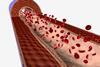
NewsBMP3 protein identified as therapeutic target for pulmonary arterial hypertension
Scientists at the Fralin Biomedical Research Institute have identified bone morphogenetic protein 3 as a protective factor in lung blood vessels, with preclinical data showing that restoring its levels can reverse hallmark features of pulmonary arterial hypertension.
-
 Article
Understanding the toxicology endpoints that matter in ADC development
Antibody-drug conjugates (ADCs) present unique toxicology challenges. Learn which endpoints matter most, how they inform development decisions and why they are essential for building a robust nonclinical safety strategy.
-
 Article
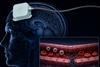
Why the blood–brain barrier blocks most drugs – and how ultrasound could help
The blood–brain barrier protects the brain from harmful substances, but it also prevents many medicines from reaching their target. Researchers are investigating whether focused ultrasound could safely improve drug delivery.
-
 News
NewsNon-endocytic delivery bypasses endosomal barriers for gene therapy
A new review examines how physical, bioengineered and biomimetic delivery platforms that bypass conventional endocytic uptake pathways could transform the clinical development of gene therapies, mRNA treatments and protein-based medicines.
-
 News
NewsNew bispecific T cell engager platform targets ovarian cancer in preclinical studies
Scientists at The Wistar Institute have engineered a DNA-delivered bispecific T cell engager using a ‘knob-into-hole’ antibody platform, demonstrating improved persistence and dual-antigen targeting in preclinical ovarian cancer models.
-
 News
NewsExperimental HIV vaccine generates broadly neutralising antibodies in primates
A collaborative research team from LJI, Scripps Research and IAVI has developed an experimental HIV vaccine that successfully generated broadly neutralising antibodies in rhesus macaques, marking a pivotal advance in the 14-year effort to design an effective HIV vaccine.
-
 News
NewsDual antibody cocktail offers complete Nipah virus protection
Researchers at Mount Sinai have developed the first fully human monoclonal antibody cocktail to provide complete protection against Nipah and Hendra viruses in preclinical models, offering a potential blueprint for treating high-consequence zoonotic pathogens with no approved therapies.
-
 Article
Antibody recycling, FcRn and the next generation of biologics
One receptor can protect antibodies from degradation, extend their half-life and become a drug target itself. Explore the science behind FcRn and how researchers measure its function.
-
 Article
Drug development has changed. Bioanalysis is changing with it
As drug developers pursue increasingly complex therapies, traditional bioanalytical approaches are being put to the test. How is the field adapting to meet these new demands?
-
 Article
AACR 2026 part two: integrating AI, spatial biology and next-gen therapeutics
In part two of our AACR 2026 coverage, industry leaders were focussed on how the field is no longer constrained by data generation or molecular design, but by the challenge of connecting systems, standardising workflows and ensuring biological insights.
-
 News
NewsAAX Biotech and evitria partner on antibody development
AAX Biotech has partnered with evitria AG to expand access to its Opti-mAb® platform, enabling earlier integration of stability-enhancing technology into antibody candidate design and multispecific format development.
-
 Article
Improving selectivity in antibody–drug conjugates
Promatix Biosciences is developing a new generation of bispecific antibody–drug conjugates using proprietary membrane proteomics data to identify highly selective target pairings. CEO Dr Michael Hunter explains how the company’s TXPro database enables discovery of previously unexplored tumour biology to improve therapeutic index and reduce on-target/off-tumour toxicities in solid tumours.