
All Cancer articles
-
 News
NewsNew AI-designed T-cell engager LGTX-101 to be presented at AACR in San Diego
LabGenius Therapeutics will present preclinical data for LGTX-101, its AI-designed Nectin-4 x CD3 T-cell engager, at AACR 2026 in San Diego.
-
 News
NewsProbiotic bacteria successfully attacks tumours in preclinical models
Engineered probiotic bacteria that can deliver cancer-fighting drugs directly to tumours have shown promising results in mice, offering a potential new approach to targeted cancer therapy.
-
 News
NewsSonoPIN ultrasound method shows promise for targeted cancer therapy
A new ultrasound-based technique developed by researchers at Duke University uses microbubbles to deliver cancer drugs directly into tumour cells, showing promise for highly targeted treatments that cause minimal damage to healthy tissue.
-
 News
NewsNew drug delivery system boosts paclitaxel cancer treatment
Researchers at Osaka Metropolitan University have developed a novel drug delivery system that improves the solubility of the anticancer drug paclitaxel.
-
 News
NewsSimple amino acid mix dramatically improves gene therapy delivery
Scientists have discovered that adding a simple cocktail of three common amino acids to lipid nanoparticle injections can dramatically improve the delivery of mRNA and CRISPR therapies.
-
 News
NewsDeep-sea compound yaku’amide B shows new cancer-fighting mechanism
Japanese researchers have discovered how yaku’amide B, a rare compound from deep-sea sponges, targets aggressive cancer cells.
-
 Article
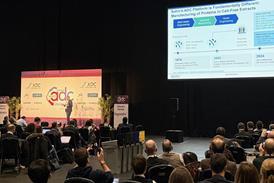
World ADC 2026: where antibody-drug conjugates are heading
At World ADC London 2026, experts highlighted how advances in payload design, targeting strategies and AI-driven discovery are changing antibody–drug conjugate development.
-
 Article
Preclinical takeaways from the World ADC Conference London
Experts from the World ADC Conference in London highlight how patient-centric, predictive preclinical tools and innovative ADC designs are improving safety, efficacy and clinical translation.
-
 Article
Making immunotherapy safer and more accessible through continuous digital monitoring
Immunotherapies such as CAR-T are extending survival, yet reliance on inpatient monitoring for cytokine release syndrome continues to restrict access. This article explores how continuous digital monitoring and AI-driven analysis could enable safer outpatient delivery and support more scalable immunotherapy adoption.
-
 News
NewsMessy lipid nanoparticles deliver RNA more effectively
New research shows that lipid nanoparticles used in mRNA vaccines may deliver RNA more effectively when their structure is disorganised.
-
 News
NewsCat cancer study reveals targets for human drugs
A major international study has discovered genetic similarities between cancers in cats and humans, potentially helping to inform future drugs that could benefit both species.
-
 Article
Engineering the next generation of T-cell engagers
T-cell engagers are a branch of immunotherapy that has undergone considerable change since their clinical inception. Andrew J Souers, VP, Oncology Discovery Research at AbbVie, elucidates the current understanding of their biology and expanding focus areas of application.
-
 News
NewsNew OC-PAM AI tool tracks cancer organoid drug response
Scientists have developed an AI-enhanced imaging platform that enables non-invasive, label-free and longitudinal monitoring of cancer organoids and spheroids.
-
 News
NewsHow vaccine structure shapes immune response to HPV tumours
Researchers have discovered that reorganising a single cancer-targeting peptide within a spherical nucleic acid vaccine dramatically boosts the immune system’s ability to attack HPV-driven tumours.
-
 News
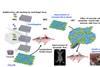
NewsCentrifuge technique creates functional bioengineered lymph nodes
Using a straightforward cell stacking method, researchers have regenerated functional lymph nodes, offering a potential long-lasting therapy for secondary lymphedema and creating new opportunities for immunology and oncology drug discovery.
-
 News
NewsNew Alco5 platform could advance cancer antibody therapies
Biotech company, Tubulis, has published preclinical data on its Alco5 antibody-drug conjugate platform, demonstrating the ability to link antibodies with previously inaccessible hydroxy-containing drugs.
-
 News
NewsInsilico secures $888million Servier partnership for AI oncology
Insilico Medicine and Servier have announced a multi-year collaboration to accelerate the discovery of new cancer therapies, using artificial intelligence to tackle challenging oncology targets and shorten early-stage drug development timelines.
-
 News
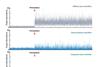
NewsControlling cellular noise may stop cancer and bacterial relapse
Scientists have developed a new mathematical ‘Noise Controller’ that can stabilise random cellular fluctuations, offering a potential breakthrough in preventing cancer recurrence and antibiotic resistance.
-
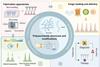 News
NewsPolysaccharide microneedles: the future of cancer immunotherapy
Polysaccharide-based microneedles are emerging as a dual-action platform for cancer immunotherapy, delivering anti-cancer drugs directly to the skin while actively modulating the immune system.
-
 News
NewsNew research aims to make FDA-approved drugs safer for the brain
Life-saving HIV and cancer drugs can carry serious neurological risks, and new funding will help UMBC researchers discover how these medicines damage the brain – which could help to inform safer treatments.