



All Drug Discovery articles
-
 News
NewsVPS34 inhibition boosts GD2 visibility to enhance neuroblastoma immunotherapy
Penn State researchers have shown that inhibiting the protein VPS34 increases GD2 display on neuroblastoma cell surfaces, making tumours more visible to anti-GD2 antibodies and improving outcomes in preclinical combination studies.
-
 News
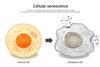
NewsCMA restoration may clear senescent cells in ageing tissues
Researchers at Albert Einstein College of Medicine have identified a cellular recycling pathway whose age-related decline allows senescent ‘zombie’ cells to evade immune clearance.
-
 News
NewsELRIG Drug Discovery 2026 celebrates 20th anniversary at ExCeL London
ELRIG Drug Discovery 2026 returns to ExCeL London for its 20th year, with AI, automation and advanced cell models among the technologies set to feature across the two-day programme.
-
 News
NewsSynthetic protein targets TLR4 within membrane to curb inflammation
Scientists at Scripps Research have engineered a synthetic protein capable of binding to Toll-like receptor 4 within the cell membrane, reducing inflammatory signalling.
-
 Interview
A sceptical guide to AI agents in drug discovery
AI agents promise to transform drug discovery, but where do they really add value? Dr Eric Ma examines search, model choice, vendor lock-in and why scientific expertise matters more than ever.
-
 News
NewsInsilico Medicine nominates AI-designed ISM1354 GIPR antagonist for obesity
Insilico Medicine has nominated ISM1354, an AI-designed small-molecule GIPR antagonist, as a preclinical candidate for obesity and related metabolic disorders.
-
 Article
Drug discovery in Q3 2026 – what changed and why it matters
Agentic AI, ultralarge virtual screening, molecular glues and human-relevant models were among the key developments in early drug discovery during Q3 2026. Drug Target Review examines what changed, why it matters and what to watch heading into Q4.
-
 News
NewsAI consortium targets antibody developability prediction with 10,000-sequence dataset
A new industry consortium led by Ginkgo Datapoints and Apheris is assembling a 10,000-antibody dataset to train AI models that can flag developability problems earlier in the drug discovery pipeline.
-
 Article
Induced proximity drugs – why complex formation is not enough
A drug can form exactly the complex it was designed to make and still fail to work. Two recently approved induced proximity drugs show why what happens after complex formation – not formation alone – can decide the outcome.
-
 News
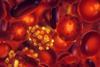
NewsNew P. vivax vulnerability could prevent liver-stage malaria infection
A newly identified epitope on the circumsporozoite protein of Plasmodium vivax could offer a route to vaccines that prevent liver-stage infection and curb the relapse-driven transmission cycle.
-
 News
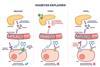
NewsMenin inhibitor KO-7246 shows β-cell regeneration in preclinical diabetes models
New preclinical data suggests that menin inhibitor KO-7246 can regenerate functional pancreatic β-cells and sustain improvements in blood glucose control across both Type 1 and Type 2 diabetes models.
-
 News
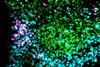
NewsBrain circuit linking cold exposure to metabolism identified in hypothalamus
Researchers at USF Health have identified a previously unknown brain circuit in the hypothalamus that coordinates eating behaviour, heat production and energy expenditure in response to cold, with implications for obesity and metabolic disease drug discovery.
-
 News
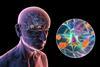
NewsMathematical model probes metals’ role in Alzheimer’s plaque formation
A mathematical framework simulates how metals such as copper and zinc interact with amyloid-beta, offering a new computational tool to explore plaque formation and potential therapeutic interventions in Alzheimer’s disease.
-
 Article
AI agents vs scientists: what should we automate in drug discovery?
AI agents can search, analyse and plan across drug discovery workflows, but where should scientists hand over control? We examine what to automate, what to check and where human judgement matters most.
-
 Article
How disease exposes hidden epitopes that AI models may miss
A protein can look very different in disease without a single change to its sequence. Measuring these structural changes could reveal drug targets invisible to genomic and expression data alone.
-
 News
NewsOestrogen receptor alpha identified as right ventricle protector in pulmonary hypertension
Scientists at National Jewish Health have identified oestrogen receptor alpha as a potential therapeutic target for preserving right ventricular function in pulmonary hypertension.
-
 News
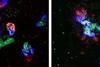
NewsKidney organoids reveal inflammation drives diabetic kidney disease
University of Washington researchers have used stem cell-derived kidney organoids to uncover inflammatory pathways that drive diabetic kidney disease.
-
 Article
How protective gene variants are revealing new drug targets
Finding the right drug target remains one of discovery’s biggest challenges. Human genetics is helping researchers strengthen the evidence before committing years of research and investment.
-
 News
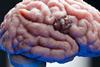
NewsWhat SIRPα reveals about how breast cancer takes hold in the brain
Scientists at Wake Forest University School of Medicine have uncovered a previously unrecognised cancer-intrinsic role for SIRPα in triple-negative breast cancer, linking the cell-surface protein to mitochondrial fission, tumour-cell migration and suppression of the brain’s immune defences.
-
 Article
Why AI struggles with new drug targets – and how physics could help
Virtual screening can assess billions of compounds, but performance can fall on unfamiliar targets. Combining AI with molecular physics could help make predictions more reliable.