
All Companies articles
-
 News
NewsAAX Biotech and evitria partner on antibody development
AAX Biotech has partnered with evitria AG to expand access to its Opti-mAb® platform, enabling earlier integration of stability-enhancing technology into antibody candidate design and multispecific format development.
-
 News
NewsEli Lilly acquires CrossBridge Bio’s dual-payload ADC platform
Eli Lilly has acquired CrossBridge Bio, advancing a dual-payload antibody-drug conjugate platform developed at UTHealth Houston. The technology aims to deliver chemotherapy more precisely to tumour cells whilst minimising damage to healthy tissue, with lead candidate CBB-120 now positioned for accelerated clinical development.
-
 Article
Beyond serendipity: rational design and AI’s expansion of the undruggable target landscape
For decades, drugging the ‘undruggable’ was thought to require luck rather than logic. Today, AI is transforming serendipity into strategy by enabling rational, data-driven approaches to previously inaccessible targets.
-
 News
NewsELRIG launches inaugural US drug discovery conference 2026 in Cambridge, MA
ELRIG has announced Drug Discovery USA 2026, a free two-day conference at Pfizer Cambridge bringing together international researchers to address challenging therapeutic targets through advances in multifunctional small molecules and novel biologics.
-
 Article
Operational data: the hidden driver of faster drug discovery
The key to faster, smarter drug discovery lies in data that’s often overlooked. By exposing hidden delays and inefficiencies, this data enables teams to shorten discovery cycles and progress promising candidates faster.
-
 Article
From fragments to maps: scaling drug–target interaction data
Most drug–target data were never designed to be compared at scale. Pharmome mapping takes a different approach, building a shared dataset intended to support more predictable discovery.
-
 Interview
Computational design drives new generation of synthetic promoters
Designing gene control from scratch is becoming possible. SynGenSys is using computational design to create synthetic promoters for advanced therapies.
-
 Interview
Physics-based modelling offers a new way to study drug targets
Australian start-up OmnigeniQ has demonstrated what it describes as the first deterministic, physics-based computation of a human protein in its native state.
-
 Article
Anticipating adaptation: understanding and overcoming cancer drug resistance
Neil Bhowmick explores how understanding the mechanisms of cancer drug resistance has reframed our approach to treatment, revealing containment and control as realistic goals for therapeutic strategies.
-
 Article
KMA and LMA antigens emerge as high value targets for plasma cell dyscrasia treatment
Research published in Clinical Lymphoma, Myeloma and Leukemia identifies Kappa Myeloma Antigen and Lambda Myeloma Antigen as highly selective immunotherapy targets across plasma cell dyscrasias.
-
 Interview
From scientist to bioinformatician: how AI coding tools dissolved the activation energy barrier
A biotech CEO with decades of scientific experience but sporadic coding practice gained practical bioinformatics capabilities in six weeks using AI coding assistants.
-
 News
NewsELRIG announces keynote speakers for Advances in Cell-based Screening 2026 in Gothenburg
ELRIG has announced the keynote speakers for its 2026 Advances in Cell-based Screening conference in Gothenburg, where scientists will gather to explore how human-first models, advanced cell biology and AI are changing the future of drug discovery.
-
 Article
Why NMDA receptor modulation remains central to next-generation depression therapies
A key player in brain communication and mood regulation, the pharmaceutical industry views the NMDAR as the central pillar for next-generation therapies for depression. Dirk Beher from FundaMental Pharma reveals new strategies for targeting this important receptor.
-
 Article
Discovery is changing – and automation leads the way
Automation is helping drug discovery teams screen faster, cut costs and run complex assays at scale – but its real value lies in what happens next.
-
 Article
Navigating IND delays: strategic options for early-phase biotech development
As IND timelines lengthen, early-stage biotechs face growing uncertainty in early clinical planning. This article explores how sponsors are increasingly diversifying their development strategies and why New Zealand represents an attractive option.
-
 News
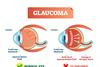
NewsNew target found for glaucoma treatment
Scientists have discovered that specialised immune cells in the eye help keep its drainage system clear and regulate pressure, which could inform new treatments for glaucoma.
-
 Article
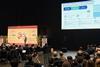
World ADC 2026: where antibody-drug conjugates are heading
At World ADC London 2026, experts highlighted how advances in payload design, targeting strategies and AI-driven discovery are changing antibody–drug conjugate development.
-
 Article
International Women’s Day: digital pathology in early drug discovery
For International Women’s Day, Dr Amanda Hemmerich, Global Director of Digital Pathology & Innovation at IQVIA Laboratories, describes how digital pathology is being applied in early drug development and what it takes to build credibility in a multidisciplinary technical field.
-
 News
NewsNew AI foundation model aims to speed up drug discovery
Insilico Medicine and Liquid AI have partnered to develop a lightweight artificial intelligence foundation model designed to support multiple stages of drug discovery.
-
 News
NewsFlare Therapeutics streamlines drug discovery with Simplicis Ledger
Flare Therapeutics has selected Simplicis Ledger™ as its primary compound and inventory management platform, marking a strategic move toward a more resilient and automated approach to drug discovery.