
All Hit-to-Lead articles
-
 Report
CRISPR & Genomics: Turning Data into Confident Drug Discovery Decisions
Early drug discovery has no shortage of genomic data, but confidence remains scarce. This report examines how CRISPR, functional genomics and human-relevant models are being applied to determine which signals matter, how they influence disease biology and which targets and strategies are worth pursuing.
-
 Interview
Physics-based modelling offers a new way to study drug targets
Australian start-up OmnigeniQ has demonstrated what it describes as the first deterministic, physics-based computation of a human protein in its native state.
-
 Article
Why NMDA receptor modulation remains central to next-generation depression therapies
A key player in brain communication and mood regulation, the pharmaceutical industry views the NMDAR as the central pillar for next-generation therapies for depression. Dirk Beher from FundaMental Pharma reveals new strategies for targeting this important receptor.
-
 News
NewsLight-driven chemistry offers faster, greener drug design
Scientists at the University of Cambridge have developed a light-powered method to modify complex drug molecules without toxic chemicals, enabling faster, cleaner and more efficient drug development.
-
 Article
Discovery is changing – and automation leads the way
Automation is helping drug discovery teams screen faster, cut costs and run complex assays at scale – but its real value lies in what happens next.
-
 News
NewsLab-made lncRNA could lead to new anti-inflammatory drugs
Scientists at the University of Toronto have created long noncoding RNA outside living cells for the first time, a breakthrough that has already produced experimental anti-inflammatory molecules.
-
 News
NewsNew AI tool could accelerate drug discovery and cut lab costs
Scientists have developed a machine learning system that can predict how complex chemical reactions will produce the correct molecular form for medicines.
-
 Interview
How self-driving labs are changing drug development
Automation and artificial intelligence are changing how scientists design, test and refine new molecules. At the University of Toronto, Stuart R Green and the Acceleration Consortium are building a self-driving lab that could change the pace of early drug discovery.
-
 News
NewsGut drug boosts liver health in mice after small bowel surgery
Researchers at Washington University have developed a gut-specific drug that protects the liver and improves nutrient absorption in mice after small bowel surgery.
-
 News
NewsNew AI foundation model aims to speed up drug discovery
Insilico Medicine and Liquid AI have partnered to develop a lightweight artificial intelligence foundation model designed to support multiple stages of drug discovery.
-
 Article
Why most labs are not ready for AI: Cenevo shares what must change
Most labs want to use AI, but few have the digital foundations to support it. Cenevo’s leaders explain why progress is slow and what laboratories must fix before AI can deliver real value.
-
 Interview
Why PDE4B matters in the search for better IPF and PPF therapies
Could targeting a single enzyme play a role in slowing lung fibrosis? Boehringer Ingelheim’s research into PDE4B is offering promising clues.
-
 News
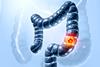
NewsBispecific EGFR/EphA2-targeting ADC shows promise in colorectal cancer
Promatix Biosciences Ltd has announced positive preclinical data for its first-in-class bispecific antibody–drug conjugate, PBS293-MMAE, demonstrating enhanced tumour selectivity, improved suppression and reduced toxicity in colorectal cancer models.
-
 News
NewsCamel-derived peptides target multidrug bacteria
Researchers at Sultan Qaboos University have identified three antimicrobial peptides from dromedary camels that demonstrate potent activity against multidrug-resistant bacteria.
-
 Article
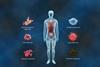
Advancing drug discovery with reproducible, animal-free 3D systems
Lukas Gaats and his team at mo:re are using automation to bring consistency to 3D cell culture and move drug discovery beyond animal models. Read on to find out how.
-
 News
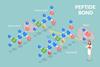
NewsNew method boosts production of non-natural amino acids for peptide assembly
A team of researchers has developed a faster, simpler method for creating non-natural amino acids and assemble them into peptides, a breakthrough that could accelerate peptide research and provide new tools for designing drugs.
-
 News
NewsLario raises $2.4m for neurological drug development
Lario Therapeutics has secured $2.4 million in funding from The Michael J. Fox Foundation for Parkinson’s Research and Wellcome to accelerate development of its neuronal calcium channel platform.
-
 News
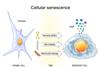
NewsTargeting senescent cells may reduce postpartum breast cancer risk
A study from the Institut Pasteur reveals how cellular senescence during mammary gland involution after pregnancy may both aid tissue repair and promote postpartum breast cancer.
-
 News
News$3.2m project targets aggressive MDM2 in breast cancer
A University of Houston scientist has joined a $3.2 million research collaboration to develop a new drug targeting one of the key drivers of triple-negative breast cancer.
-
 Article
Vibe coding 101 for drug discovery scientists
Find out how AI-assisted development is democratising software creation in life sciences.